November 25, 2026
Being arrested for DUI can be frightening, whether it happens after a routine traffic stop or at a sobriety checkpoint. In the moments after an arrest, many drivers assume there's nothing they can do to fight the charge. But the way an arrest happens matters, and the rules police must follow can be different depending on how the stop began. Understanding these differences can help you better understand your options. Below, we'll explain the key differences between DUI checkpoints and traffic stops, and what a DUI lawyer looks for when reviewing and challenging an arrest.
Understanding What's at Stake
DUI arrests are more common than many people realize. According to Safehome.org, nearly 805,000 Americans were arrested for DUI in 2024. In Georgia, a DUI conviction can bring serious consequences, including fines, license suspension, probation, mandatory programs, and in some cases jail time. A conviction can also affect your job, insurance rates, and reputation long after the case is closed. Because so much is on the line, it's important to take the charge seriously from the beginning. Speaking with a DUI lawyer early can help you understand your rights and the possible paths forward in your case.
Recognizing How Traffic Stops Begin
In a typical traffic stop, an officer pulls a driver over after observing something specific. This might be speeding, weaving between lanes, running a stop sign, a broken taillight, or another traffic violation. Generally, an officer needs reasonable suspicion of a violation or criminal activity to make a lawful stop. Once the vehicle is stopped, the officer may look for signs of impairment, such as the odor of alcohol, slurred speech, or bloodshot eyes. Those observations can lead to field sobriety tests, a breath test, or an arrest. Each of these steps must follow legal requirements to hold up in court.
Knowing How DUI Checkpoints Work
DUI checkpoints, sometimes called roadblocks, work differently. Instead of stopping a driver based on suspicion, officers stop vehicles at a predetermined location to check for impaired driving or other violations. Because these stops happen without individualized suspicion, courts have established specific requirements to help protect drivers' constitutional rights. In Georgia, those requirements generally address issues like how the checkpoint was planned and authorized, whether vehicles were stopped in a consistent manner, how long drivers were delayed, and whether the checkpoint was clearly identified. If a checkpoint doesn't meet these standards, evidence gathered there may be challenged. That's why the details of how a checkpoint was set up can play an important role in a DUI case.
Reviewing the Reason for the Stop
For traffic stops, one of the first things to examine is whether the officer had a valid reason to pull the driver over. If the stop wasn't lawful, evidence gathered afterward may be subject to challenge. This is where details matter, such as the officer's description of the driving behavior, the time of night, road conditions, and whether video supports the officer's account. Sometimes, behavior that looked suspicious may have a reasonable explanation, like avoiding a pothole or adjusting to a road hazard. Questions about the stop itself can affect how the rest of the case unfolds, since later evidence often depends on whether the stop was valid. A DUI lawyer at our firm will carefully compare the officer's report with any available video and other evidence.
Examining Checkpoint Procedures
When an arrest happens at a checkpoint, the focus often shifts to how the checkpoint was planned and carried out. Key questions may include who authorized the checkpoint, what its purpose was, and whether officers followed the procedures set in advance. It's also important to look at whether all vehicles, or a consistent pattern of vehicles, were stopped rather than drivers being singled out. The length of the delay and the way the checkpoint was marked and staffed can also matter. Records, schedules, and officer testimony may help reveal whether proper procedures were followed. Even small deviations from the plan can be worth examining closely. Our team carefully reviews these details when evaluating a checkpoint arrest.
Evaluating Field Sobriety Tests
Field sobriety tests, such as the walk-and-turn, one-leg stand, and horizontal gaze nystagmus test, are often used to help officers decide whether to make an arrest. However, these tests are not perfect. Results can be affected by nervousness, fatigue, medical conditions, injuries, footwear, weather, and uneven ground. Officers are also expected to give clear instructions and score the tests according to established guidelines. If tests were administered or interpreted incorrectly, their reliability may be called into question. Reviewing how these tests were conducted is an important part of evaluating any DUI arrest.
Questioning Breath and Blood Test Results
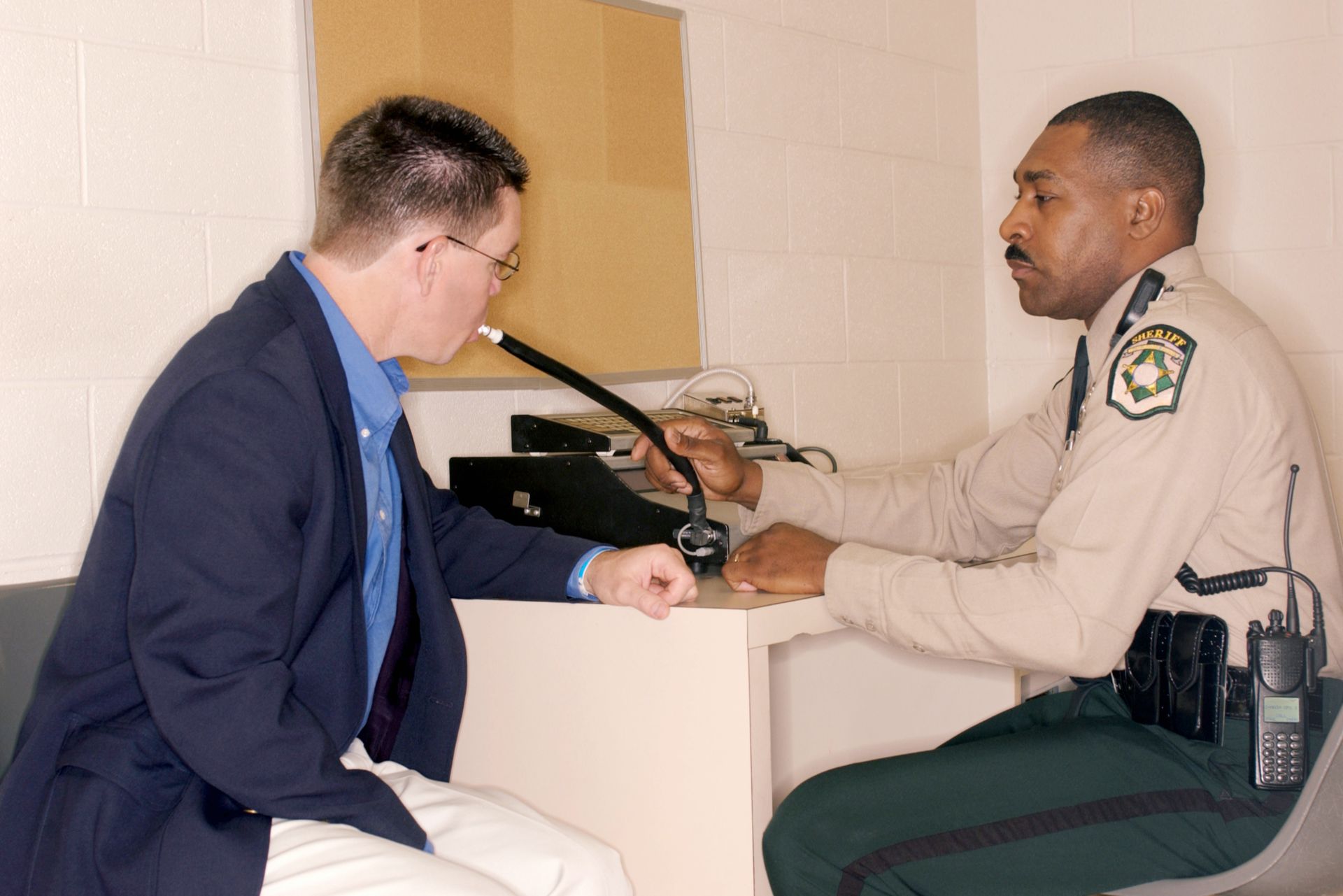
Chemical tests can be powerful evidence, but they must be handled properly. Breath testing devices need to be maintained and operated according to specific procedures, and the officer administering the test should be properly trained. Blood samples must be collected, stored, and tested carefully to maintain accuracy. Mistakes in calibration, documentation, or handling can raise questions about the results. Georgia's implied consent laws also create specific requirements around how drivers are informed of their rights before testing. A DUI lawyer at our firm will review these records closely to look for errors or inconsistencies that may affect the case.
Reviewing Video and Police Reports
Dash camera and body camera footage can provide a clearer picture of what really happened during a stop or checkpoint. Video may show how the vehicle was being driven, how the driver interacted with officers, and how field sobriety tests were performed. Sometimes, footage doesn't match what's written in the police report. Comparing the two can reveal inconsistencies that may weaken the prosecution's case. Witness statements, dispatch records, and other documents can also add important details. Our team works to gather and review this evidence as part of building a strong defense.
Protecting Your Rights After an Arrest
What you do after a DUI arrest can affect your case. In Georgia, there may be strict deadlines for taking certain steps, including actions that may help protect your driving privileges. Missing these deadlines could limit your options and affect your ability to keep driving. It's generally wise to avoid discussing the details of your arrest with anyone other than your attorney. Writing down what you remember about the stop, including times, locations, and conversations, can also be helpful while the details are still fresh. Reaching out to a DUI lawyer as soon as possible gives you a better opportunity to understand your rights and take timely action.
At Coppage Law Firm, we're a veteran-owned, locally owned, and family-operated firm that has been serving clients since 1991. We represent clients facing DUI and DWI charges, along with other criminal defense matters, traffic violations, and search and seizure issues throughout Glynn, McIntosh, and Camden Counties and along the I-95 Corridor. Our DUI lawyer team brings more than 30 years of experience, and we take the time to review every detail of your case and explain your options clearly. We also offer same-day and emergency consultations, and our team speaks both English and Spanish. Every case is different, and past results don't predict future outcomes. Contact Coppage Law Firm today to discuss your case. We look forward to defending you.