November 21, 2026
Few moments feel more discouraging than being told you failed a breath test after a traffic stop. Many drivers assume that a high reading automatically means a conviction is coming. But breath test results aren't always as reliable as they seem, and a reading is only one part of a DUI case. The way the test was given, the equipment used, and the circumstances surrounding the arrest all matter. Below, we'll explain why failing a breathalyzer doesn't always mean a conviction and what a DUI lawyer looks for when reviewing breath test evidence.
Understanding the Role of Breath Tests
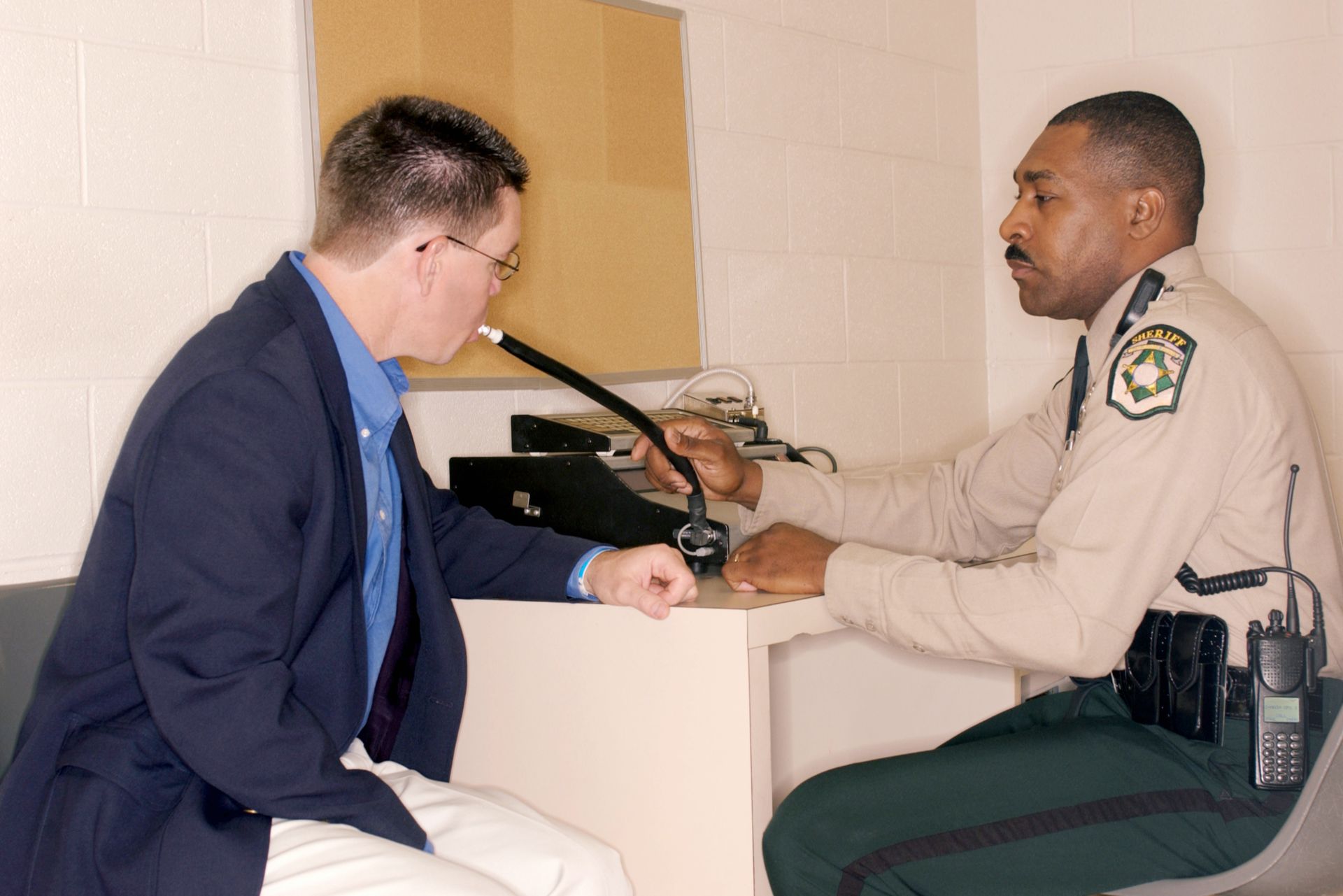
Breath tests are one of the most common tools officers use in DUI investigations. According to the National Highway Traffic Safety Administration, over 1.5 million people are arrested for DUIs each year across the country. In many of those cases, breath test results play a major role in the charges. These devices estimate blood alcohol concentration by measuring alcohol in a person's breath. Because they rely on an estimate rather than a direct blood measurement, several factors can affect the accuracy of the result. Understanding how breath testing works is the first step in knowing whether a result may be open to challenge.
Knowing the Difference Between Roadside and Station Tests
Not all breath tests are exactly the same. A roadside breath test, sometimes called a preliminary breath test, is often used during the stop to help an officer decide whether to make an arrest. These handheld devices can provide a quick reading, but their results are typically treated differently from the testing performed later. After an arrest, drivers may be asked to take a test on a larger, more formal instrument, usually at a police station or jail. The rules and procedures for each type of test can vary. Knowing which test was given, and when, is important when evaluating how the results may be used in your case.
Checking Calibration and Maintenance
Breath testing machines must be properly calibrated, maintained, and inspected to produce accurate results. If a device hasn't been serviced on schedule or has a history of errors, its readings may be called into question. Maintenance logs, inspection records, and repair histories can reveal whether the machine was working correctly at the time of your test. Even small problems with the equipment can affect the reliability of a reading. These records aren't always easy to obtain without legal help. A DUI lawyer at our firm can request and review this documentation to look for problems with the testing device.
Reviewing How the Test Was Administered
Even a properly maintained machine can produce questionable results if the test isn't given correctly. Officers who operate evidentiary breath testing instruments are generally required to have specific training and authorization. They're also expected to follow set procedures, including observing the driver for a period of time before the test. This waiting period helps prevent things like burping, vomiting, or recent drinking from affecting the result. If the officer skipped steps or didn't follow proper procedure, the accuracy of the reading may be in doubt. Reviewing video, reports, and testing records can help show whether the test was administered correctly.
Accounting for Medical and Physical Factors
Certain medical conditions and physical factors may affect breath test results. Acid reflux and other digestive issues can bring alcohol from the stomach into the mouth, which may lead to a higher reading. Some people with diabetes or those following certain diets may have substances in their breath that could interfere with testing. Dental work, mouthwash, breath sprays, and some medications may also play a role in certain situations. Body temperature, breathing patterns, and other individual differences can influence results as well. A DUI lawyer at our firm will look at whether any of these factors could have affected your test and whether additional information should be considered.
Examining How Implied Consent Was Handled
Georgia has implied consent laws that apply to drivers who are asked to submit to chemical testing after a DUI arrest. These laws include specific requirements about how officers inform drivers of their rights and the consequences of refusing or taking a test. If the required information wasn't given properly or at the right time, it may affect how the test results can be used. The wording, timing, and delivery of the implied consent notice can all be important. Your right to request an independent test may also be part of the discussion, especially if that request was denied or ignored. Our team carefully reviews whether these legal requirements were followed in your case.
Looking Beyond the Breath Test Number
A breath test result doesn't exist in isolation. The prosecution must also show that the stop and arrest were lawful and that the evidence supports the charge. If the officer didn't have a valid reason to stop your vehicle, or if the arrest lacked proper grounds, the breath test result may be challenged along with other evidence. Field sobriety tests, officer observations, and video footage can also be examined for inconsistencies. Sometimes, the overall evidence tells a different story than the breath test number alone. A DUI lawyer at our firm will review the full picture rather than focusing only on one piece of evidence.
Understanding Possible Outcomes
Every DUI case is unique, and outcomes depend on many factors, including the evidence, the circumstances of the arrest, and your prior record. In some situations, problems with breath test evidence may lead to the evidence being limited or excluded. In others, those issues may help support negotiations for reduced charges or alternative resolutions. Some cases may move forward to trial, where the evidence can be challenged in court. No attorney can promise a specific result, but understanding your options can help you make informed decisions. Working with a DUI lawyer who understands Georgia's DUI laws and local courts can make a meaningful difference in how you approach your case.
Acting Quickly After an Arrest
Time matters a great deal after a DUI arrest. Georgia may impose strict deadlines for taking certain actions, including steps that could help protect your driving privileges. Evidence such as video footage and maintenance records may also be easier to obtain early in the process. Waiting too long could limit your options or make it harder to build a strong defense. Writing down your memories of the stop and testing process while they're fresh can also be helpful. Contacting a DUI lawyer as soon as possible gives you time to understand your rights and take important steps.
At Coppage Law Firm, we're a veteran-owned, locally owned, and family-operated firm that has been serving clients since 1991. Our team represents individuals facing DUI and DWI charges, along with other criminal defense matters, traffic violations, and search and seizure issues throughout Glynn, McIntosh, and Camden Counties and the I-95 Corridor. With more than 30 years of experience, we take the time to carefully review every detail of your case and explain your options in clear terms. We offer same-day and emergency consultations, and we're able to assist clients in both English and Spanish. Every case is different, and past results don't predict future outcomes. Contact Coppage Law Firm today to discuss your case. We look forward to defending your rights.