July 7, 2026
Getting pulled over under the suspicion of driving under the influence is an incredibly stressful experience. The flashing lights in your mirrors can cause your heart to race, making it difficult to think clearly. In these high-pressure moments, law enforcement officers often utilize two primary tools to assess impairment: field sobriety tests and breathalyzers. While these methods are standard protocol, many drivers do not fully understand how they work, how their results are used, or what legal rights protect citizens during a traffic stop. Navigating the immediate aftermath of an arrest requires a clear understanding of these testing methods. Securing the guidance of an experienced DUI lawyer can make a profound difference in how your case is evaluated and defended in court.
The Mechanics of Field Sobriety Tests
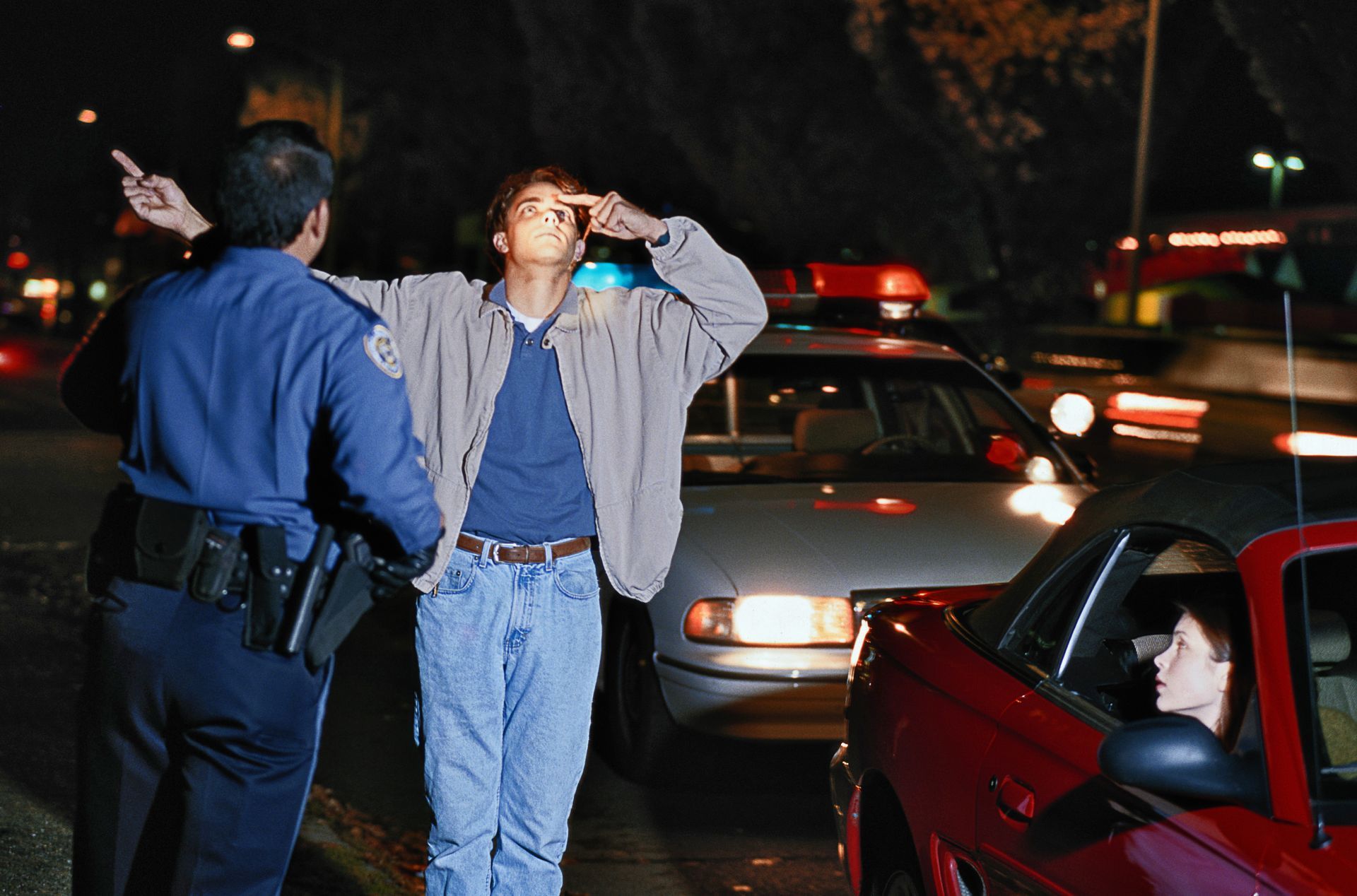
Field sobriety tests are a series of physical and mental exercises designed to help an officer determine if a driver is impaired. The National Highway Traffic Safety Administration has standardized three specific tests: the horizontal gaze nystagmus, the walk and turn, and the one-leg stand. The horizontal gaze nystagmus tracks involuntary jerking of the eye as it follows an object, which can become more pronounced with alcohol consumption. The walk and turn and the one-leg stand are divided-attention tasks that measure a driver's ability to follow instructions while performing physical movements. Officers look for specific clues during these exercises, such as losing balance or starting before instructions are finished, to build probable cause for an arrest.
The Optional Nature of Roadside Agility Exercises
One of the most critical rights drivers possess during a traffic stop is the option to decline roadside agility exercises. In many jurisdictions, participating in these physical tests is completely voluntary, meaning you can politely refuse to perform them without facing immediate legal penalties like automatic license suspension. Officers frequently present these requests in a way that sounds mandatory, leading many drivers to comply out of fear or a desire to cooperate. However, field sobriety tests are highly subjective and heavily reliant on an officer's personal observations. Declining these tests prevents the state from gathering subjective visual evidence that could later be used to justify an arrest, which is why consulting with a DUI lawyer early on can help clarify how a refusal impacts your specific defense strategy.
The Technical Role of Breathalyzer Devices
Unlike physical agility tests, breathalyzers are scientific instruments designed to measure blood alcohol concentration by analyzing the breath. When a person consumes alcohol, it is absorbed into the bloodstream and travels through the lungs, where some of it evaporates into the breath. Roadside breathalyzers, often called preliminary alcohol screening devices, provide officers with a quick digital reading of a driver's breath alcohol level. While these portable units are useful for establishing probable cause at the scene, they are generally less precise than the larger desktop evidential breath testing machines found at police stations. Understanding the technical differences between these devices is vital, as a skilled DUI lawyer frequently examines calibration records to ensure the device used was functioning properly.
The Laws of Chemical Testing and Implied Consent
The rules governing breathalyzers change significantly once an individual is officially placed under arrest due to implied consent laws. By accepting a driver's license and operating a vehicle on public roads, you legally agree to submit to chemical testing if an officer has probable cause to believe you are driving while impaired. According to the CDC, law enforcement in the U.S. conducts approximately one million annual arrests for individuals operating a vehicle while impaired by alcohol, drugs, or both. Once an arrest occurs, refusing the official evidential chemical test typically triggers immediate administrative penalties, such as the automatic suspension of your driving privileges and the potential introduction of your refusal as consciousness of guilt in a courtroom. A dedicated DUI lawyer can carefully evaluate whether the officer properly explained these implied consent warnings before demanding a chemical sample.
The Subjectivity and Environmental Variables in Roadside Testing
Field sobriety tests are notoriously susceptible to environmental variables and physical conditions that have nothing to do with alcohol consumption. Poor roadside lighting, uneven pavement, loose gravel, and passing traffic can easily cause an individual to lose their balance or fail an exercise. Furthermore, personal factors such as physical injuries, inner ear issues, advanced age, overweight conditions, or even nervous anxiety can naturally mimic signs of impairment. Because officers score these tests based on a strict set of criteria, ordinary human clumsiness or physical limitations can easily be misconstrued as intoxication. When challenging the validity of these roadside exercises, a DUI lawyer will closely examine the dash cam footage to highlight any unfair environmental conditions that compromised the test.
The Margin of Error and Device Calibration Failures
While breathalyzers are framed as precise scientific tools, they are not infallible and possess a notable margin of error. These devices require meticulous maintenance, routine cleaning, and regular calibration to ensure their digital readouts remain accurate over time. If a law enforcement agency fails to log regular accuracy checks or neglects software updates, the integrity of every test conducted on that machine becomes questionable. Additionally, physiological factors such as a driver's body temperature, specific medical conditions like acid reflux or gastroesophageal reflux disease, or recent exposure to chemical fumes can artificially elevate breath alcohol readings. Identifying these technical errors requires a comprehensive legal review, which is why having an analytical DUI lawyer scrutinize the maintenance logs of the testing device is a cornerstone of a strong defense.
The Constitutional Protections During a Traffic Stop
The Fourth Amendment protects citizens against unreasonable searches and seizures, which directly applies to traffic stops and DUI investigations. An officer cannot simply pull a vehicle over based on a random hunch; they must possess reasonable suspicion that a traffic violation or criminal activity is occurring. This could include observations of swerving, speeding, or driving without headlights at night. If the initial stop lacks a valid legal justification, any subsequent evidence gathered during the encounter, including field sobriety performance and breathalyzer data, may be deemed inadmissible in court. Pinpointing these constitutional violations is highly complex, making it essential to have an insightful DUI lawyer review the police report and determine if your constitutional rights were compromised during the initial encounter.
The Strategic Value of Remaining Silent
Beyond the right to refuse physical tests, drivers also retain the constitutional right to remain silent during a traffic stop. While you must provide your driver's license, vehicle registration, and proof of insurance when requested, you are under no legal obligation to answer incriminating questions. Officers routinely ask questions such as where you are traveling from, whether you have been drinking, or how much alcohol you have consumed during the evening. Admitting to just a single drink provides law enforcement with additional evidence to justify an arrest and complicates your future defense. Polite cooperation combined with a respectful refusal to answer specific behavioral questions keeps your options open, allowing a DUI lawyer to build a defense based on objective facts rather than voluntary admissions.
The Process of How Legal Counsel Investigates and Deconstructs Evidence
Building a successful defense against an impaired driving charge requires a meticulous deconstruction of the state's evidence from the ground up. Legal professionals do not simply accept an officer's report at face value; instead, they conduct an independent investigation into every detail of the traffic stop. This process involves requesting police radio dispatches, analyzing video footage from body-worn cameras, reviewing the specific certifications of the arresting officer, and checking the chemical testing logs. By identifying inconsistencies between what the officer wrote in the report and what actually transpired on the video, a competent DUI lawyer can challenge the state's narrative and seek a reduction or dismissal of the charges based on flawed evidence or procedural errors.
The Navigation of the Parallel Administrative and Criminal Proceedings
A DUI charge initiates two completely separate legal proceedings that must be managed simultaneously: the criminal court case and the administrative license hearing. The criminal case focuses on guilt, innocence, and potential penalties such as fines, probation, or jail time, while the administrative process deals exclusively with your driving privileges. Drivers often fail to realize that they have a very limited window of time following an arrest to request a hearing to contest an automatic license suspension. Missing this deadline results in an immediate loss of driving privileges, regardless of what happens later in criminal court. Working with an experienced DUI lawyer ensures that both the administrative and criminal timelines are managed correctly, protecting your freedom and your ability to drive to work or school.
Understanding the fundamental differences between field sobriety tests and breathalyzers is essential for protecting your future and preserving your legal rights. Roadside situations unfold rapidly, and the choices you make regarding physical exercises and chemical testing carry long-lasting legal implications. If you are currently facing charges, navigating the intricate court system and administrative hurdles alone can feel overwhelming. Securing reliable legal representation is the most effective way to ensure your side of the story is heard, and that law enforcement is held to the proper legal standards. Reach out to Coppage Law Firm today to schedule a comprehensive consultation with a skilled DUI lawyer who will thoroughly evaluate your case and fight to protect your rights.